
Audio memory preservation is defined as the practice of capturing and maintaining recordings of voices, stories, and ambient sounds so that the emotional and historical essence of a person's life endures beyond their physical presence. For families coping with loss or building a lasting legacy, the benefits of audio memory preservation go far deeper than nostalgia. A loved one's voice carries warmth, rhythm, and personality that no photograph or written letter can replicate. Platforms like Senarra now make it possible to preserve those voices with professional-grade fidelity, giving families a living connection to the people they cherish most.
1. How does audio memory preservation strengthen emotional connections?
Hearing a familiar voice activates memory and emotion in ways that text simply cannot. The brain responds to a loved one's voice through regions tied to reward, recognition, and emotional bonding. That response does not diminish with time. Families who preserve audio recordings report feeling a sustained sense of presence long after a loved one has passed.
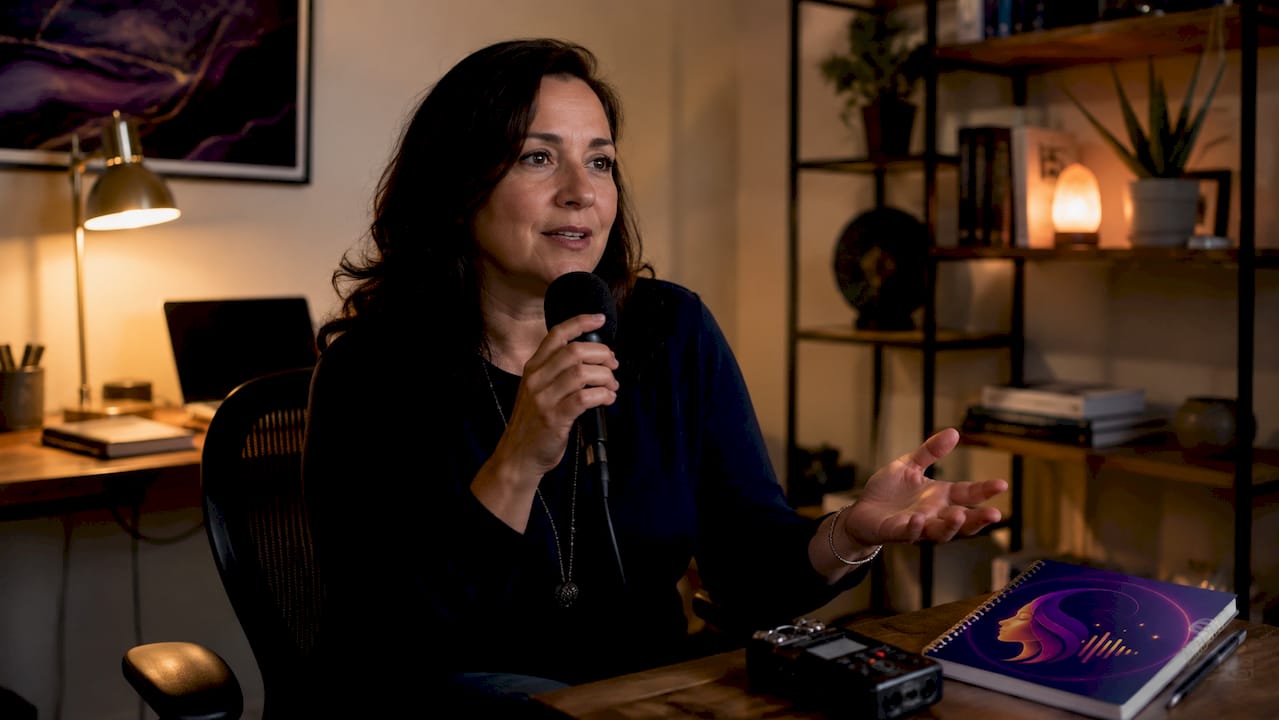
The advantages of audio preservation become especially clear during grief. A recording captures not just words but cadence, laughter, pauses, and breath. These acoustic details carry emotional authenticity that preserving original voices intact makes possible. Written summaries of a conversation lose all of that texture.
For families caring for a relative with dementia, audio recordings serve a therapeutic purpose. Hearing a familiar voice can reduce agitation and orient a person to their identity and relationships. Caregivers increasingly use recorded family conversations as part of daily comfort routines.
- Recordings of a grandparent telling stories give grandchildren a direct connection to family history.
- Audio from milestone events, such as a wedding toast or a birthday message, becomes irreplaceable after a loss.
- Therapeutic settings use familiar voices to support patients with memory disorders.
- Family reunions gain depth when preserved audio from past generations is played aloud.
Pro Tip: Record a short audio message from each family member at every major gathering. Even a two-minute story told in someone's own voice becomes a profound keepsake within a decade.
2. What archival standards ensure lasting quality in audio preservation?
Professional audio preservation is not simply pressing record on a phone. Master-quality digitization requires a minimum of 96 kHz sample rate and 24-bit depth. That level of resolution captures the full dynamic range of the human voice, including subtle tonal qualities that lower-resolution formats compress away. The 24-bit depth alone approaches the physical limits of human hearing, which means nothing meaningful is lost.
Analog media, including cassette tapes, reel-to-reel recordings, and vinyl, degrade rapidly. Magnetic tapes suffer from chemical breakdown and a condition called sticky shed syndrome, where the binder holding magnetic particles to the tape deteriorates. Equipment capable of playing these formats is also disappearing. Digitizing analog recordings now, before further degradation occurs, is the single most urgent step most families can take.
Once digitized, preservation does not stop. File migration is ongoing because digital formats and storage hardware evolve. A file saved in a format that becomes obsolete in ten years is effectively lost. Archivists recommend storing master files in open, widely supported formats such as WAV or FLAC, with redundant backups across at least three separate locations.
| Audio resolution | Bit depth | Best use case | Preservation quality |
|---|---|---|---|
| 44.1 kHz / 16-bit | 16-bit | Consumer playback (CD quality) | Acceptable for access copies |
| 48 kHz / 24-bit | 24-bit | Broadcast standard | Good for general archiving |
| 96 kHz / 24-bit | 24-bit | Archival master recording | Recommended for preservation |
| 192 kHz / 32-bit | 32-bit | Ultra-high resolution capture | Exceeds practical need for voice |
One common mistake is applying aggressive noise reduction to old recordings. Minimal audio processing is the professional standard because heavy noise removal strips out voice warmth and ambient detail that future restoration tools might recover. Preserve the original fidelity first, and create a separate cleaned-up access copy if needed.
Pro Tip: Always keep an unprocessed master file separate from any edited or cleaned version. Label them clearly so future family members know which is the archival original.
3. In what ways does audio preservation support cultural and historical memory?
Audio archives hold something that written records cannot. Tonal and contextual nuances of speech, including accent, emotion, and rhythm, enrich historical research in ways that transcripts never can. A recording of a civil rights speech carries moral weight that a typed transcript flattens. Scholars who work with audiovisual evidence consistently report gains in analytical depth compared to working from text alone.
The UNESCO Memory of the World Register formally recognizes audio as vital to cultural heritage and collective memory. That recognition reflects a global consensus: sound recordings are primary historical documents, not supplementary ones. Audio archives serve academic research, cultural identity, and reconciliation processes across communities worldwide.
Community-driven archiving projects have expanded this work beyond institutions. Volunteer cataloging efforts and open-access digital portals now make preserved audio available to researchers, educators, and families who would never have had access through traditional library systems. That broader reach strengthens both the resilience and the relevance of preserved recordings.
The cultural benefits of preserving sound memories include:
- Documentation of endangered languages before their last speakers are gone.
- Oral histories from communities whose experiences were excluded from written records.
- Recordings of traditional music, ceremonies, and storytelling that define cultural identity.
- Evidence for truth and reconciliation processes where firsthand accounts carry legal and moral weight.
- Educational resources that bring history to life for students in ways textbooks cannot.
Families building a family oral history archive participate in this same tradition, just at a personal scale. The principles are identical: capture authentic voices, preserve with care, and make recordings accessible to future generations.
4. How does audio preservation enhance memory and cognitive processing?
Audio cues are among the most powerful triggers for memory retrieval. Research on music-based mnemonic devices shows that children who learn information set to music recall it significantly better over time compared to those who learn the same content without music. The effect grows stronger with repeated exposure. This is not a minor advantage. It reflects how the auditory system encodes information with emotional and contextual tags that make retrieval more reliable.
For families, this science has direct practical value. Playing recordings of a grandparent's stories during family gatherings does more than entertain. It encodes those stories into the memories of younger family members through the same auditory pathways that make music so memorable. The voice, the phrasing, and the emotional tone all become part of how the story is stored and later recalled.
Auditory memory also supports linguistic development and processing. Children who grow up hearing recordings of family members speaking in their heritage language retain stronger connections to that language than those who rely only on written exposure. Preserving audio memories of aging parents' voices and stories gives younger generations a living linguistic and emotional resource.
- Audio mnemonics improve recall accuracy compared to text-only learning.
- Familiar voices trigger autobiographical memory networks in the brain.
- Repeated listening reinforces emotional memory encoding over time.
- Heritage language recordings support bilingual development in children.
Pro Tip: Play short audio clips of family stories during car rides or family dinners. Repeated casual listening is more effective for memory retention than a single formal listening session.
5. What practical tips and technologies support effective audio preservation?
Effective audio preservation starts with recording quality. A dedicated microphone, even an entry-level condenser model, captures voice detail that built-in phone microphones miss. Record in a quiet room, close to the speaker, and use a pop filter to reduce breath noise. These basic steps make a significant difference in the final recording quality.
File format and metadata are equally important. Save master recordings as WAV or FLAC files, not MP3. MP3 compression permanently discards audio data to reduce file size. That lost data cannot be recovered. Add metadata to every file: the speaker's name, the date, the location, and a brief description of the content. Without metadata, recordings become unidentifiable within a generation.
Digital accessibility broadens the reach of preserved audio, letting families and researchers connect with memories from anywhere in the world. Cloud storage with redundant local backups is the current best practice. Store one copy on a local hard drive, one on a cloud service, and one on an external drive kept in a separate physical location.
Families building a personal voice legacy should also think about access. A recording stored in a format no one can open in twenty years serves no one. Periodically check that your files open correctly, and migrate them to current formats before older ones become unsupported.
Pro Tip: Create a simple naming convention for all audio files, such as LastName_FirstName_Date_Topic, and apply it consistently. A well-labeled archive is far more likely to be used and maintained by future family members.
Key Takeaways
The most durable way to preserve a loved one's legacy is to capture their voice in high-fidelity audio, store it across redundant formats, and share it with the people who will carry that memory forward.
| Point | Details |
|---|---|
| Voice carries what text cannot | Audio preserves tone, rhythm, and emotion that written records permanently lose. |
| Archival standards matter | Use 96 kHz/24-bit resolution for master recordings and store files in WAV or FLAC format. |
| Preservation is ongoing | Migrate files regularly and maintain redundant backups to prevent format obsolescence. |
| Audio strengthens memory retention | Repeated listening to familiar voices encodes stories more deeply than reading alone. |
| Start recording now | Analog media degrades rapidly, and every delay increases the risk of permanent loss. |
Why I think most families wait too long to preserve audio memories
The most common regret I hear from families is not that they failed to take more photographs. It is that they never recorded their grandmother's voice. Photographs are everywhere now. Voice recordings of the people we love are still rare, and that gap is striking given how much easier recording has become.
Text and photos flatten a person. A voice recording does not. The hesitation in someone's speech before they share something difficult, the way a particular laugh rises and falls, the regional accent that marks a lifetime of belonging somewhere specific. None of that survives in a written transcript. I have listened to recordings of people I never met and felt I understood them more clearly than I do some people I know personally. That is the power of audio storytelling, and most families are not using it.
The technical side is genuinely simple now. What stops people is not equipment or cost. It is the assumption that there will be more time. Analog tapes do not wait. Memories do not wait. The cognitive and emotional benefits of preserved audio are well documented, but they only apply to recordings that actually exist.
My advice is to start with one conversation. Ask one question. Record one story. The archive builds from there, and the first recording is always the hardest to make.
— Bryan
Senarra: preserving the voices that matter most
Families who want to preserve audio memories now have a purpose-built option in Senarra. Senarra is an AI companion designed to capture the voices and stories of loved ones, including pets, in their authentic voice. It goes beyond simple recording by enabling voice cloning and a memory line accessible by phone, so families can reconnect with preserved voices whenever they need to.
Senarra aligns with the archival best practices covered here: authentic voice capture, accessible storage, and a format built for long-term connection rather than one-time use. For families coping with loss or building a lasting family legacy, Senarra offers a way to make preservation personal, meaningful, and lasting. The voices you love are worth keeping.
FAQ
What is audio memory preservation?
Audio memory preservation is the practice of capturing and maintaining recordings of voices, stories, and sounds so they remain accessible and emotionally intact for future generations. It includes both the recording process and the ongoing management of digital files to prevent loss.
Why is a loved one's voice so important to preserve?
A voice carries tonal and emotional nuances that text and photographs cannot replicate. Hearing a familiar voice activates memory and emotional recognition in the brain, making audio recordings a uniquely powerful connection to people who have passed.
What audio format is best for long-term preservation?
WAV and FLAC are the recommended formats for archival preservation because they store audio without compression. Professional standards call for a minimum of 96 kHz sample rate and 24-bit depth for master recordings.
How do I prevent my audio recordings from becoming inaccessible?
Migrate files to current formats every five to ten years, maintain at least three redundant copies in separate locations, and add detailed metadata to every file so future family members can identify and use the recordings.
Can preserved audio recordings help with grief?
Recordings of a loved one's voice provide ongoing emotional presence and comfort after a loss. Families and therapists use familiar voice recordings to support grief processing, and caregivers use them to orient and calm patients with dementia.