
Memory preservation is the practice of capturing a person's stories, voice, and identity before illness or time erases them. The best ways caregivers preserve patient memories combine collaborative memory books, reminiscence therapy, storytelling projects, and digital archiving to maintain emotional connection and support cognitive engagement. Research confirms these methods reduce depression, ease caregiver burden, and strengthen the bond between families and the people they care for. Senarra is one platform built specifically to support this work, offering voice capture and memory access by phone.
1. Ways caregivers preserve patient memories with collaborative memory books
A collaborative memory book is a physical or digital collection of photos, handwritten notes, favorite recipes, and personal milestones that externalizes a patient's identity. Six of seven studies report that memory books improve communication and reduce depression in dementia patients. That finding matters because communication breakdown is one of the earliest and most painful losses caregivers face.
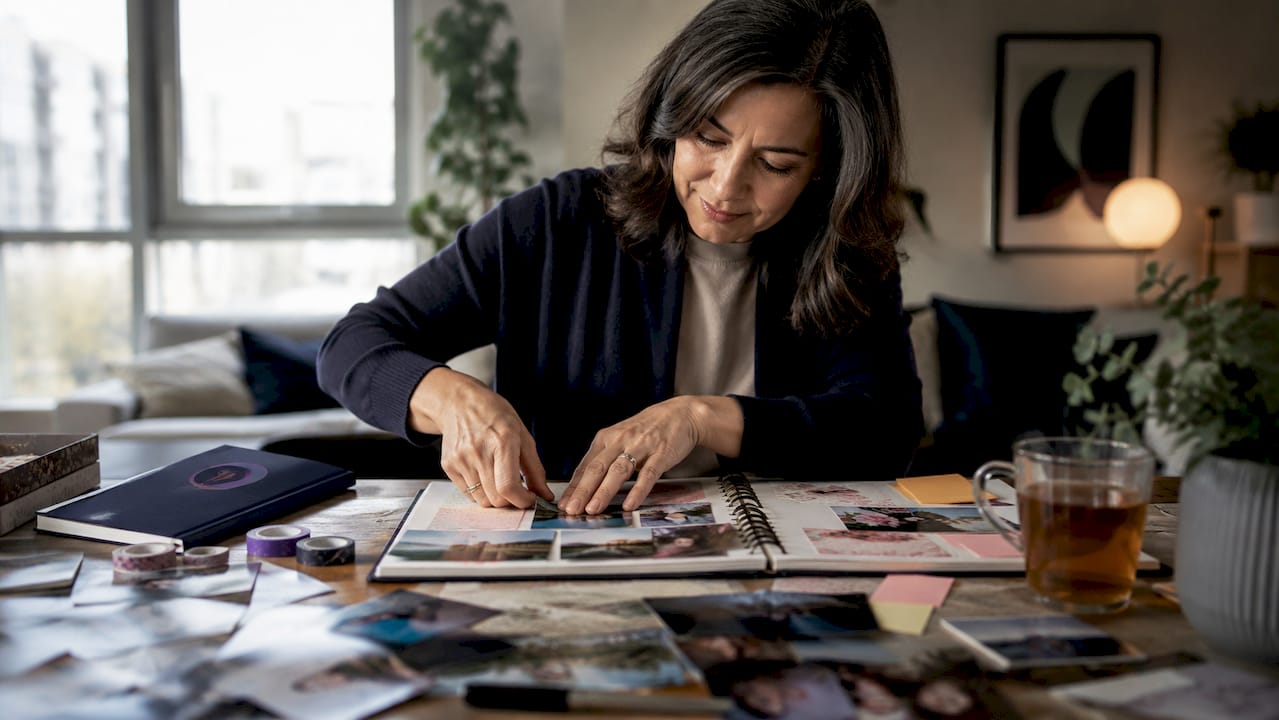
The most effective memory books are built with the patient, not for them. Starting soon after diagnosis gives the patient agency over what goes in. Caregivers who involve patients early report stronger emotional outcomes and less caregiver burden over time.
Practical design tips for accessible memory books:
- Use large, clear photos with short captions in the patient's own words
- Organize sections by life chapter: childhood, career, family, travel
- Include sensory anchors like fabric swatches, pressed flowers, or handwriting samples
- Keep the book in a visible, easy-to-reach location for daily use
Pro Tip: Start with just five pages covering the patient's proudest moments. A small, finished book beats a large, unfinished one every time.
2. How reminiscence therapy enhances memory preservation
Reminiscence therapy is a structured approach that uses sensory prompts, such as music, photographs, and familiar objects, to activate long-term memories in patients with cognitive impairments. Systematic reviews confirm that reminiscence therapy improves cognitive function, mood, and quality of life in dementia patients. Long-term memory stays intact longer than short-term recall, which makes sensory triggers especially powerful.
Caregivers can run effective reminiscence sessions without clinical training. The key is consistency and sensory variety. Common activities include:
- Playing music from the patient's young adult years and asking what they remember
- Showing photos from family albums and letting the patient narrate
- Cooking a favorite childhood recipe together while discussing its origin
- Watching a short clip from a beloved film or TV show from their era
- Handling familiar objects like a military medal, a tool, or a piece of jewelry
These sessions also reduce anxiety and create natural openings for social engagement. A patient who struggles to answer direct questions will often speak freely when a familiar song is playing.
3. Examples of caregiver storytelling projects that build community
Storytelling projects are one of the most underused memory preservation techniques. The "In Care Of" postcard project collected 40 distinct caregiver responses exhibited online, capturing the full emotional range of caregiving: joy, grief, pride, and exhaustion. That visibility matters because caregiving labor is often invisible to the wider community.
"Documenting the caregiving story itself promotes caregiver resilience, prevents isolation, and validates everyday acts of care as part of the family legacy."
Storytelling projects benefit caregivers as much as patients. When caregivers articulate their experience, they process it. When communities see it, caregivers feel less alone. Starting a storytelling project does not require a gallery or a grant.
Ways to start your own storytelling initiative:
- Write one postcard per month describing a specific caregiving moment
- Record a short audio clip of the patient telling a favorite story
- Create a private family blog where relatives contribute memories and photos
- Submit caregiver stories to local library archives or community newsletters
Capturing elder stories in audio is one of the most accessible entry points. A phone recording of a patient describing their first job or their wedding day holds more emotional weight than any written summary.
4. What digital tools caregivers use for memory preservation
Digital memory preservation tools range from simple voice recording apps to full platforms that curate, store, and share a person's life story. A 2026 pilot clinical trial showed 88.2% completion among dementia caregivers using a digital reminiscence intervention. That completion rate signals that caregivers will adopt digital tools when they are genuinely easy to use.
The same trial enrolled 68 caregivers, 79.4% of them women, and reported improved emotional outcomes including reduced predeath grief. Grief reduction during active caregiving is a significant benefit that analog methods alone rarely achieve.
| Feature category | What to look for |
|---|---|
| Audio and voice capture | Clear recording quality, easy upload, voice preservation |
| Memory organization | Chronological timelines, tagging by theme or person |
| Sharing and access | Family sharing, phone access, privacy controls |
| Emotional support | Grief resources, guided prompts, caregiver check-ins |
Senarra offers voice cloning and a memory line accessible by phone, which means family members can call in and hear a loved one's voice and stories at any time. That kind of ongoing connection is especially valuable as disease progresses and in-person communication becomes harder.
Pro Tip: Integrate digital memory sessions into an existing routine. Five minutes after a morning meal is more sustainable than a dedicated weekly session that gets skipped.
5. Why caregivers preserve elder stories and what it does for both parties
Preserving elder stories is an act of identity affirmation. When a patient's history is documented and honored, they remain a full person with a past, not just a diagnosis. Memory's role in identity preservation is well established: people who feel their story matters show better emotional resilience and cooperate more readily with care.
The U.S. National Institute on Aging advises caregivers to avoid memory-testing questions like "Don't you remember?" and instead use familiar objects like photos or music to facilitate calm, meaningful communication. That shift from testing to connecting changes the entire emotional tone of a caregiving interaction.
"Transitioning memory activities from doing 'for' patients to doing 'with' them preserves dignity and strengthens emotional bonds."
Practical guidance for balancing autonomy and documentation:
- Ask open-ended questions: "What was your favorite summer as a kid?" not "Do you remember 1965?"
- Let the patient choose which photos or objects to include in their memory collection
- Accept incomplete or repeated stories without correction; the feeling matters more than the facts
- Document your own caregiving observations alongside patient stories to create a fuller picture
Intergenerational storytelling adds another layer of benefit. When younger family members hear elder stories directly, they report stronger emotional bonds. Elders benefit from the sense that their experience is worth passing on.
6. How micro-storytelling fits into daily caregiving routines
Micro-storytelling is the practice of embedding brief, focused memory conversations into everyday activities rather than scheduling formal sessions. Five-minute weekly micro-sessions embedded in daily routines maximize sustainable memory storytelling without exhausting the caregiver or the patient. Sustainability is the factor most memory preservation guides ignore.
A caregiver who attempts a two-hour memory book session once a month will collect less than one who asks one question during a daily walk. Short, consistent contact with a patient's memories produces richer material and causes less fatigue. The goal is frequency, not length.
Micro-storytelling works across all formats. A caregiver can ask one question while folding laundry, record a 90-second voice note after dinner, or add a single photo to a digital archive during a quiet moment. These small acts accumulate into a complete and meaningful record over months.
7. Why families need memory platforms built for caregiving
General photo storage apps and social media are not built for caregiving contexts. They lack guided prompts, grief support, privacy controls for sensitive health-related content, and the ability to preserve voice. Families who rely on them often find that memories are scattered, inaccessible, or lost when a platform changes its policies.
Dedicated memory platforms are built around the specific needs of families navigating illness, aging, and loss. They organize content by life chapter, support multiple contributors, and keep stories accessible long after the patient is gone. That long-term accessibility is the feature general apps cannot replicate.
Intergenerational storytelling methods used by caregivers, including recorded interviews, shared photo timelines, and guided life-review conversations, work best when the platform holding them is purpose-built. The right tool does not just store memories. It makes them retrievable, shareable, and emotionally meaningful for everyone in the family.
Key takeaways
The most effective memory preservation combines collaborative methods, sensory therapy, and purpose-built digital tools to protect patient identity and support caregiver resilience.
| Point | Details |
|---|---|
| Start memory books early | Begin soon after diagnosis so patients can contribute their own voice and preferences. |
| Use sensory prompts | Music, photos, and familiar objects activate long-term memory better than direct questions. |
| Embrace micro-storytelling | Five-minute daily sessions produce more material than infrequent long sessions. |
| Choose purpose-built platforms | General apps lack the privacy, prompts, and voice features caregiving families need. |
| Document caregiver stories too | Recording your own caregiving experience builds resilience and creates a fuller family legacy. |
What I've learned from watching caregivers do this work
Most caregivers I've observed start memory preservation too late. They wait until communication is already difficult, then scramble to capture what's left. The families who do this well start early, when the patient can still direct the process and correct the record.
The other thing I've noticed is that analog and digital methods are not in competition. A handwritten memory book and a voice-recorded digital archive serve different emotional needs. The book is tactile and present. The digital record is permanent and shareable. The caregivers who use both report the richest outcomes.
The hardest part is not the technology or the time. It is giving yourself permission to document something that feels unfinished. Caregiving is always unfinished. The memories you capture now are complete enough. Start with one question, one photo, one recording. The rest follows.
— Bryan
Senarra and the caregivers who need it most
Caregivers who want a single place to capture, organize, and revisit a loved one's voice and stories now have a purpose-built option.
Senarra is designed for exactly this work. It captures conversations in a loved one's authentic voice, preserves them in a personal memory archive, and makes them accessible by phone whenever a family member needs that connection. The memory preservation features include voice cloning and guided storytelling prompts that work whether you are tech-savvy or just getting started. For caregivers who want to go deeper on the digital side, the caregiver digital archive guide covers best practices for building a lasting record.
FAQ
What is the most effective way to preserve patient memories?
Collaborative memory books, reminiscence therapy using sensory prompts, and digital voice recording are the three most evidence-backed methods. Six of seven studies confirm that memory books improve communication and reduce depression in dementia patients.
What is an elder storytelling platform?
An elder storytelling platform is a digital tool built to capture, organize, and preserve a person's life stories, voice, and memories for family access over time. Senarra is one example, offering voice cloning and phone-accessible memory lines.
How does reminiscence therapy help patients with dementia?
Reminiscence therapy uses music, photos, and familiar objects to activate long-term memories that remain intact longer than short-term recall. Systematic reviews confirm it improves cognitive function, mood, and quality of life.
How often should caregivers do memory preservation activities?
Five-minute micro-sessions embedded in daily routines are more sustainable and productive than long, infrequent sessions. Consistency matters more than duration.
Why do caregivers benefit from preserving patient stories?
Preserving patient stories reduces caregiver isolation, builds resilience, and validates the emotional labor of caregiving. Digital reminiscence platforms also show statistically significant reductions in predeath grief among family caregivers.