
End-of-life memory keepsakes are defined as physical or digital objects created to preserve the voice, stories, and presence of a loved one after death. Legacy keepsake planning gives families a structured way to process grief while building something lasting. Keepsake creation supports emotional expression and connection, letting loved ones share fears, hopes, and pride before or after loss. When you plan end-of-life memory keepsakes with intention, the result is not just an object. It is a living record of someone's life that comforts for generations.
What are the main types of end-of-life memory keepsakes?
Memorial keepsakes fall into two broad categories: tangible and digital. Common types include physical mementos such as fingerprints, locks of hair, memory boxes, and jewelry, as well as digital media like voice recordings and tribute books. Understanding both categories helps you choose what fits your family's needs, budget, and access to technology.
Tangible keepsakes
Physical end-of-life mementos carry weight in the most literal sense. A fingerprint pendant, a quilt sewn from a loved one's clothing, or a handwritten letter sealed in a memory box all create a sensory connection that no screen can replicate. These objects are especially meaningful for children and older family members who may not use digital tools regularly.
- Fingerprint jewelry: Rings, pendants, and charms cast from a loved one's actual print
- Memory quilts: Sewn from clothing, blankets, or fabric tied to shared experiences
- Memory boxes: Curated collections of photos, letters, ticket stubs, and small personal items
- Locks of hair: A centuries-old practice still used in modern memorial jewelry
- Handwritten letters: Sealed notes written by or to the loved one for future milestones
Digital keepsakes
Digital keepsakes increase access and shareability, making them especially effective for families separated by distance or with varied comfort around technology. An online memorial page, a curated video tribute, or a voice recording archive can be shared instantly with relatives across the country. Digital keepsake platforms often use a one-time fee around $99, with optional annual hosting fees averaging $12 per life story. That pricing makes long-term cloud access realistic for most families.
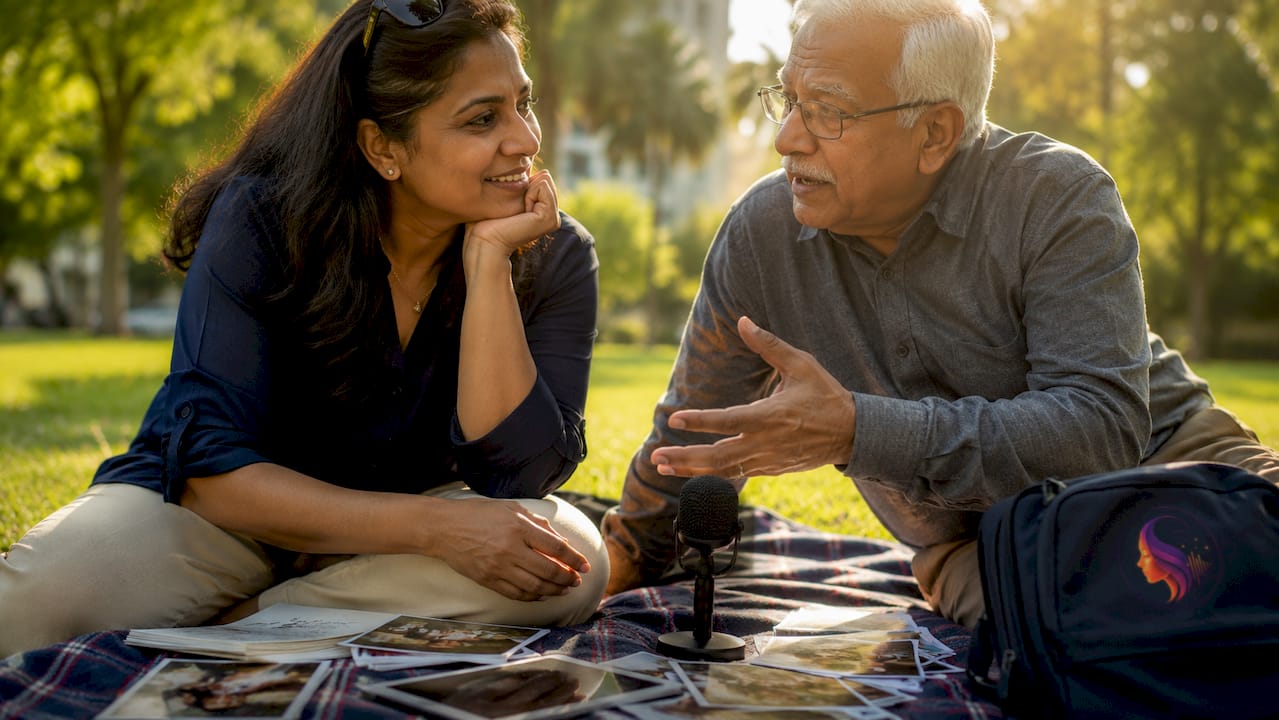
Pro Tip: Record short video or audio clips of your loved one telling a favorite story. Even a two-minute recording captures tone, laughter, and rhythm of speech in ways that photos never can.
| Keepsake type | Emotional benefit | Key consideration |
|---|---|---|
| Fingerprint jewelry | Constant physical connection | Requires print taken before or shortly after death |
| Memory quilt | Comfort through familiar textures | Time-intensive; plan weeks in advance |
| Handwritten letters | Personal voice preserved on paper | Best gathered while loved one is still living |
| Online memorial page | Accessible to all family members | Requires digital hosting and ongoing maintenance |
| Voice recording archive | Authentic tone and personality preserved | Storage format should be backed up in multiple places |
When should you start planning remembrance keepsakes?
Timing is one of the most misunderstood parts of legacy keepsake planning. There is no minimum waiting period for compiling memorial tribute books. Families may start within days of loss or wait months or years to create comprehensive narratives. Both approaches are valid. What matters is emotional readiness, not a calendar deadline.
Grief experts affirm that the optimal moment to introduce remembrance gifts is after the initial shock of loss diminishes, permitting more mindful engagement with the memory. That window looks different for every family. Some find that starting a project immediately gives them focus and purpose. Others need months before they can look at photographs without pain.
A practical step-by-step process
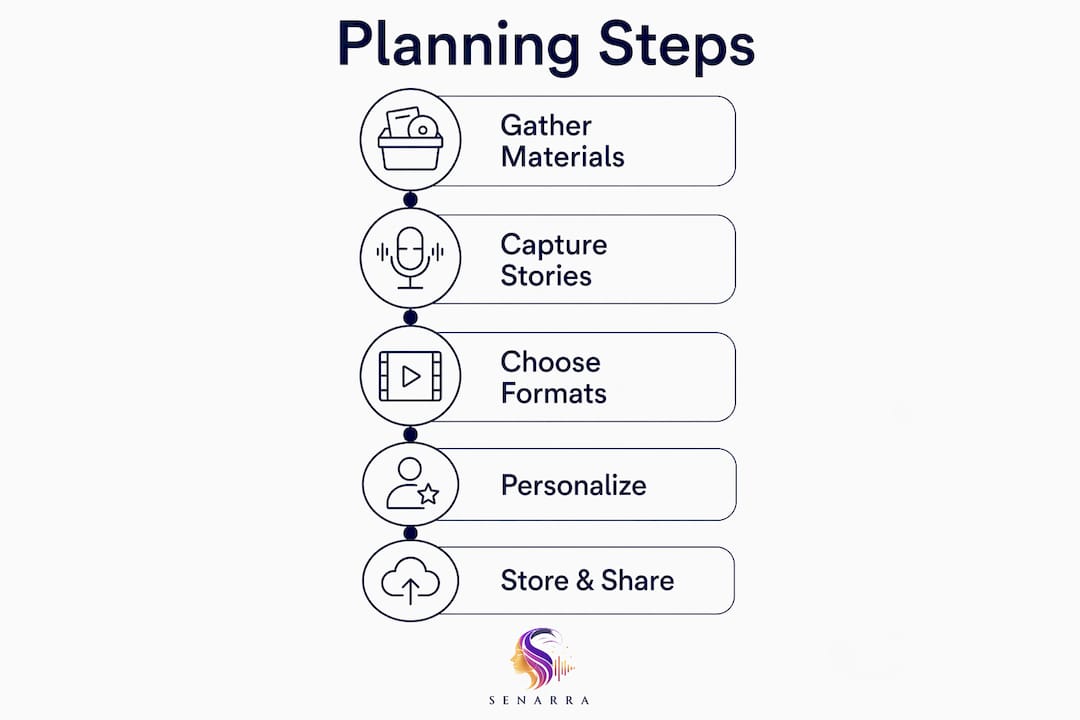
- Gather source materials. Collect photographs, letters, videos, clothing items, and personal objects. Do not edit yet. Simply gather.
- Document stories. Interview family members while memories are fresh. Ask specific questions: "What did she always say when things went wrong?" or "What was his morning routine?"
- Choose your format. Decide whether the keepsake will be physical, digital, or both. Match the format to who will receive it and how they will access it.
- Assemble and review. Build the keepsake, then set it aside for a week before finalizing. Distance helps you see it more clearly.
- Share with intention. Decide who receives the keepsake, when, and in what setting. A quiet family gathering often works better than a large event.
Common mistakes to avoid
Rushing the process is the most frequent error families make. Choosing materials or formats under emotional pressure leads to regret. Overwhelming recipients with too many keepsakes at once dilutes the impact of each one. Many families benefit from flexible timelines that allow keepsake projects to be finished weeks, months, or even years after loss as a form of grief therapy. Treating the project as ongoing rather than urgent protects both the creator and the recipient.
Pro Tip: Create a simple planning checklist before you begin: materials needed, stories to capture, people to involve, and a realistic timeline. A one-page plan prevents decision fatigue during an already difficult time.
| Planning step | What you need | Realistic timeline |
|---|---|---|
| Gather materials | Photos, letters, objects, fabric | 1–2 weeks |
| Record stories | Phone, recorder, or video camera | Ongoing, as family is available |
| Choose format | Budget, tech access, recipient needs | 1 week of reflection |
| Assemble keepsake | Craft supplies or digital platform | 2–4 weeks |
| Share with family | Chosen setting, copies if needed | When emotionally ready |
How do you personalize keepsakes to reflect a unique life?
Personalized keepsakes should match a loved one's habits, values, faith, or passions to feel truly meaningful rather than generic. A keepsake built around who someone actually was carries far more weight than a standard memorial gift. Personalization is the difference between a tribute that gets displayed and one that gets stored in a closet.
Connecting a keepsake to daily routines, values, or personal stories significantly enhances its emotional resonance over time. A grandmother who baked every Sunday deserves a recipe book in her handwriting, not a generic photo frame. A father who coached youth soccer might be honored with a memory box containing his whistle, a team photo, and a letter from each player.
Ideas for deeply personal keepsakes
- Hobby-based collections: Fishing lures, sheet music, gardening journals, or sports memorabilia assembled into a themed box
- Voice recordings: Capturing audio memories of a loved one telling stories, singing, or simply talking about their day
- Handwriting preservation: Scanning letters, grocery lists, or birthday cards to print on fabric, mugs, or framed art
- Value-based letters: Written reflections on what the person believed, how they treated others, and what they hoped for future generations
- Collaborative memory quilts: Each family member contributes a fabric square representing a shared memory
Involving multiple family members in a single project creates shared ownership of the grief process. A personalized memory experience built collaboratively becomes a family artifact, not just an individual tribute. Assign specific roles: one person gathers photos, another writes captions, another records audio. The process itself becomes part of the memorial.
Pro Tip: Ask family members to write one specific memory, not a general tribute. "She always burned the toast and laughed about it" is more powerful than "She was a wonderful cook."
How should you care for and share memorial keepsakes?
Physical and digital keepsakes require proper storage and sensitive sharing practices to preserve legacy and respect the grieving process. A memory quilt stored in a damp basement will deteriorate. A digital archive saved only on one hard drive can disappear in an instant. Storage decisions made early protect the keepsake for decades.
Best practices for storage and sharing
- Physical keepsakes: Store in acid-free boxes or archival sleeves. Keep away from direct sunlight, humidity, and extreme temperature changes. Photograph each item as a digital backup.
- Digital keepsakes: Save files in at least two locations, such as a cloud service and an external hard drive. Use common file formats like MP4 for video and JPEG for photos to ensure long-term compatibility.
- Sharing timing: Comfort-focused sympathy gifts serve immediate post-loss needs, while remembrance keepsakes gain value over time as grief evolves. Share physical keepsakes when recipients are emotionally ready, not at the funeral itself.
- Gifting etiquette: Ask before giving. Some family members may not be ready to receive a keepsake. Offer it gently and leave the choice with them.
- Future generations: Write a brief note explaining the keepsake's origin and meaning. Without context, even the most beautiful object loses its story within two generations.
Digital keepsakes complement physical ones by creating living archives that grow as families add stories, photos, and memories over time. A voice recording preserved as a personal voice legacy can be shared with grandchildren who were never born when the recording was made. That reach across time is what makes digital formats worth the effort.
Key Takeaways
The most effective way to honor a loved one is to plan end-of-life memory keepsakes that combine personal detail, flexible timing, and secure long-term storage across both physical and digital formats.
| Point | Details |
|---|---|
| Start when you are ready | There is no required waiting period; families can begin days or years after loss. |
| Match the keepsake to the person | Hobbies, values, and daily routines make keepsakes meaningful rather than generic. |
| Use both physical and digital formats | Physical mementos provide sensory comfort; digital archives expand access across distance and time. |
| Store with care | Acid-free materials for physical items and dual-location backups for digital files protect keepsakes for decades. |
| Share with sensitivity | Offer keepsakes when recipients are emotionally ready, and always include context about the item's meaning. |
What I have learned from years of watching families create keepsakes
The families who create the most meaningful keepsakes are rarely the ones who planned the most. They are the ones who stayed curious about the person they lost. They asked odd, specific questions. They saved the voicemail instead of deleting it. They kept the handwritten grocery list.
What I have seen again and again is that grief does not follow a schedule, and neither should keepsake planning. Families who give themselves permission to start slowly, pause, and return months later often produce something far richer than those who rushed to finish before the funeral. The process itself is part of the healing. Sitting with a box of photographs and deciding what matters is a form of conversation with someone who is no longer there.
The one mistake I would warn against most strongly is creating keepsakes for others before processing your own grief. You cannot make something meaningful for your sister if you have not yet allowed yourself to feel the loss. Start with what moves you. The rest follows naturally.
Keepsakes are not about perfection. A slightly blurry photo, a misspelled word in a letter, a quilt square that does not quite match. Those imperfections are the proof that a real person lived. Honor that.
— Bryan
Senarra: a digital home for the memories that matter most
Families who want to preserve voice, story, and personality beyond a photograph will find Senarra built exactly for that purpose. Senarra captures heartfelt conversations in a loved one's authentic voice, stores them securely, and makes them accessible whenever you need to feel close to someone you have lost.

Senarra's voice cloning and memory line features mean a grandchild born years from now can still hear their great-grandmother laugh. The platform works for individuals, families, and even pets, with no technical background required. If you are ready to build a memory archive that grows with your family, start with Senarra and preserve what matters before it fades.
FAQ
What are memorial keepsakes?
Memorial keepsakes are physical or digital objects created to preserve the memory, voice, or story of a loved one after death. Common examples include fingerprint jewelry, memory quilts, voice recordings, and online tribute pages.
When is the right time to create end-of-life mementos?
There is no required waiting period. Families may begin within days of loss or return to the project months or years later, depending on emotional readiness.
How do you personalize a keepsake gift?
Connect the keepsake to the person's actual life: their hobbies, daily routines, handwriting, or values. Generic tributes carry less emotional weight than ones built around specific, personal details.
How should digital memory keepsakes be stored?
Save digital files in at least two locations, such as a cloud service and an external hard drive, using common formats like MP4 or JPEG to protect long-term accessibility.
Can keepsake creation help with grief?
Keepsake projects are recognized as a form of structured grief work. Practitioners affirm that the process of creating keepsakes helps families process loss, express emotion, and maintain connection to the person they loved.